Healthcare & Medical

Urgent Care Moving in Boston and MetroWest

Lobby, triage, exam rooms, and supply rooms moved overnight or in a short closure, with x-ray, point-of-care testing, and the crash cart left to clinical teams.

(774) 421-9389
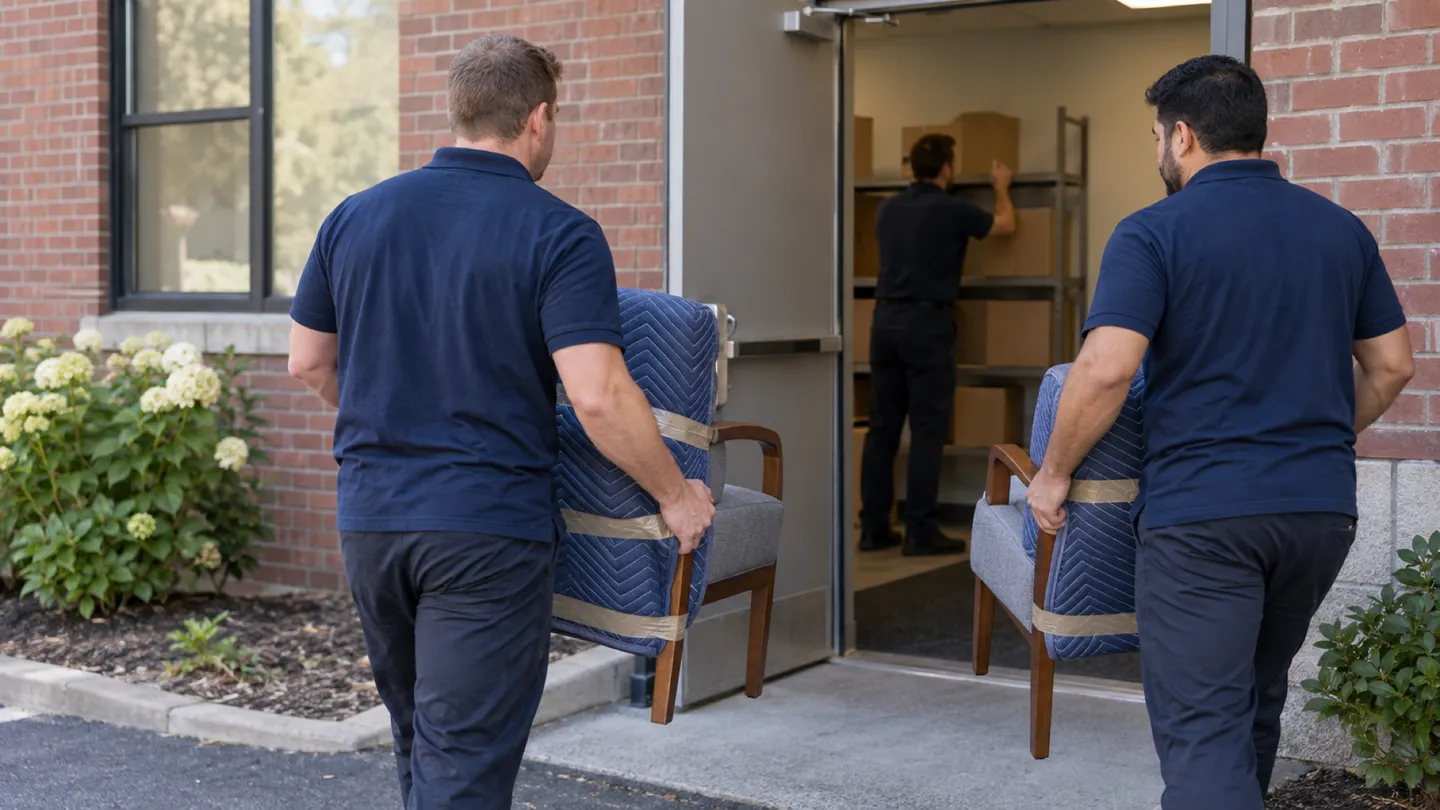
Urgent Care moving in Boston and MetroWest: moving crew at work
  • Licensed & Insured Fully Covered
  • Owner-Operated By Tyler Trefrey
  • 10 States Northeast Served

Start your free urgent care move quote

verified For estimate purposes only credit_card_off No credit card required

Planning a Urgent Care Move

Urgent care centers are open when other practices are closed, including evenings and weekends, so there is no quiet Saturday to move on. The window is either overnight, between the last patient of the evening and the morning open, or a short closure while patients are pointed to another location in the network. Either way, the plan has to fit a few hours, not a few days.

That means splitting the work carefully. Clinical staff take the crash cart, AED, oxygen, medications, and point-of-care testing supplies under their own procedures. The x-ray vendor takes the imaging room out of service and reinstalls it. Our crew moves the lobby and check-in, the triage area, exam room tables and cabinets, the supply rooms, the provider workroom, and the staff areas. Supply rooms can often be moved a day or two ahead, and staff can stock the new rooms before opening. The front of the center comes back first, so the doors can open and patients can check in, then exam rooms in order. For the broader clinical and non-clinical split, see our healthcare moving page.

Who usually signs off
Practice administrator or operations lead, with the clinical lead approving room readiness and the closure window
Timing that works
The hours between the evening close and the next morning's open, or a planned closure of a day or two while patients go to a sister location; urgent cares that run every day rarely have an easy weekend.

What typically moves

  • Lobby seating and the check-in counter Set first so the doors can open and the queue can start the first morning.
  • Triage station furniture and patient chairs Placed near check-in on the new plan, with vitals carts left for staff.
  • Exam tables, rolling stools, and room casework Tagged by room and set in order, so providers can start seeing patients as rooms are ready.
  • Central supply room shelving and stock Often moved a day or two early, with staff packing and restocking the shelves themselves.
  • Provider workroom and charting stations Set before the first shift so providers can chart at the new center.
  • Wheelchairs, transport chairs, and the discharge area Rolled over with the lobby load so patients who need a chair have one when the doors open.

Access and scheduling

Talk to the x-ray vendor and the clinical lead first. The imaging room and point-of-care testing usually set the reopening time, since the center may not want to open without them. Then pick the window: overnight if the move is short and within the same plaza or town, or a planned closure if it is farther. Supply rooms and staff areas can often move a day or two before the main night.

Urgent cares around Greater Boston are usually in plazas and freestanding buildings along Route 9, Route 1, Route 20, and in the I-495 towns, with parking out front and a rear or side door for deliveries. Plaza owners commonly ask to see proof of the mover's insurance; we email ours whenever it is requested. Overnight work in a busy plaza means planning where the truck parks so it is gone before the morning rush.

Protection and handling

Speed without damage is the balance. Exam tables are wrapped and moved on dollies, supply cabinets travel empty, and the route through the old and new centers gets runners and door-frame pads. Each room's pieces are tagged so the crew can set rooms in order without stopping to check.

The crash cart, AED, oxygen tanks, medications, vaccines, testing supplies, and sharps are moved by the clinical team, and the waste hauler clears medical waste before we start. Our crew never packs anything showing patient details. Kiosks and exam room computers travel padded and are cabled up again in their rooms, so the IT contact can bring the record system online and the phone provider can switch the main line before the doors open. A last walk-through with the clinical lead confirms every room is where the plan puts it.

Who does what

Some of this job belongs to other trades. The written plan names each one.

X-ray equipment and the imaging room
The x-ray vendor takes it out of service, moves or replaces it, reinstalls it, and handles the paperwork for the new location.
Crash cart, AED, oxygen, medications, and vaccines
Clinical staff move them under the center's own procedures.
Point-of-care analyzers and testing supplies
Clinical staff or the analyzer vendor move and check them before testing resumes.

Not part of our work

  • Moving x-ray equipment, analyzers, or any clinical device.
  • Handling medications, vaccines, oxygen, or medical waste.

Around Boston and MetroWest

Urgent care centers across Greater Boston tend to sit in busy retail plazas and freestanding buildings near major roads: Route 9 in Framingham and Natick, Route 1 in Dedham and Norwood, Route 20 in Marlborough, and near I-495 in Milford and Franklin. Most have a rear or side door and a parking lot shared with shops, which makes overnight moves practical.

The crew that shows up

Two Eastside Movers crew members outside a client's red front door

Urgent Care Moving FAQs

Another question? Call (774) 421-9389.

Can an urgent care be moved overnight without closing for a day?

Sometimes, when the new location is close and the supply rooms and staff areas move a day or two ahead. The main night then covers the lobby, exam rooms, and workroom. The x-ray vendor's schedule often decides whether imaging is ready by morning, so ask them first.

Which parts of an urgent care should reopen first?

The lobby and check-in, then triage, then exam rooms in order, then the provider workroom. That way the doors can open and patients can check in while the last rooms are set. If x-ray or testing is not ready yet, the clinical lead decides how to handle those patients.

Should we point patients to another location while the center moves?

If the center closes for more than a night, many operators do. Operators usually post notice at the old entrance, update the website and online listings, and change the phone greeting. That is the operator's decision; we plan our part so the closure is as short as the vendors allow.

Can the supply room move before the rest of the urgent care?

Yes, and it often helps. Staff pack the supply room a day or two early, we move and set the shelving at the new center, and staff restock it before the main move. That leaves less to do on the main night and gets the exam rooms stocked right away.

Plan your business move

Tell us both addresses, the building rules you know about, and the dates you cannot move. We will send back a written plan and estimate.

Call (774) 421-9389

Mon–Sat 8:00 AM – 5:00 PM

Call Now call 774-421-9389