Retail, Restaurant & Hospitality

Restaurant Moving in Boston and MetroWest

Your crew clears service stock and chooses the reopening order. We move dining, bar, and movable kitchen contents around your equipment vendors' visits.

(774) 421-9389
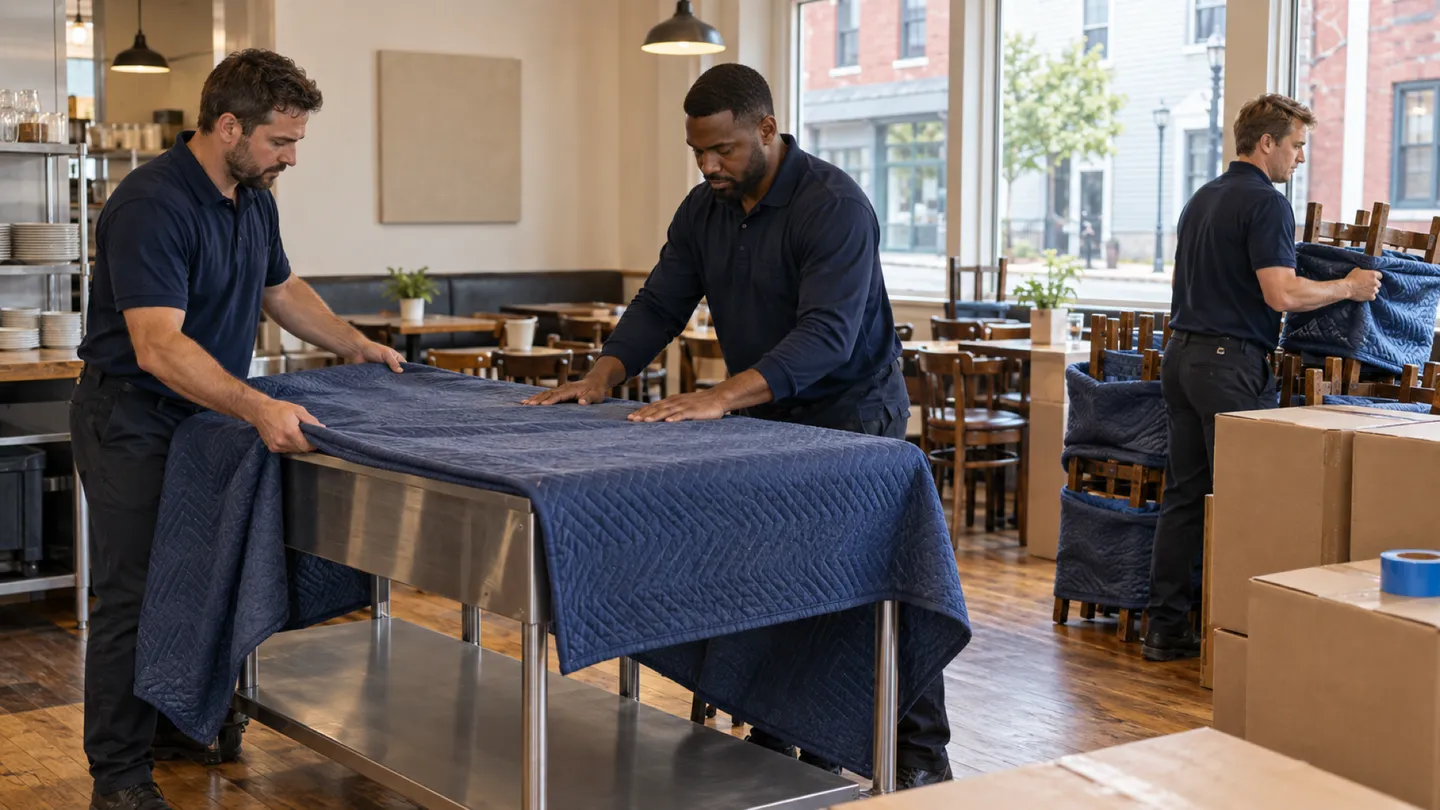
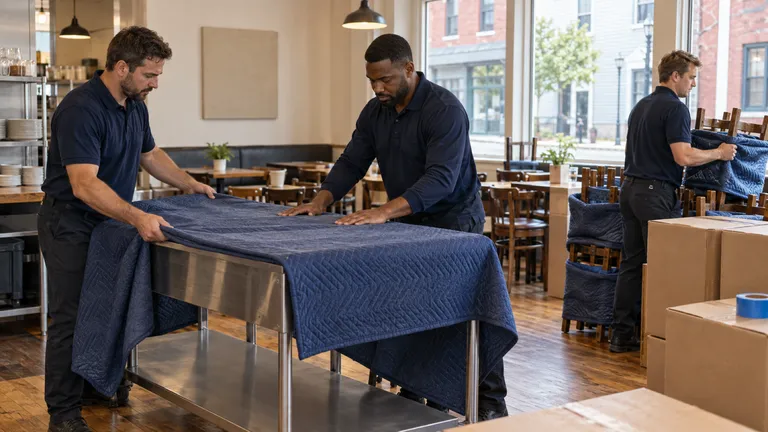
Restaurant moving in Boston and MetroWest: moving crew at work
  • Licensed & Insured Fully Covered
  • Owner-Operated By Tyler Trefrey
  • 10 States Northeast Served

Start your free restaurant move quote

verified For estimate purposes only credit_card_off No credit card required

Planning a Restaurant Move

What sets a restaurant's reopening date is rarely the truck. In Massachusetts the new kitchen has to pass the local board of health before it serves anyone, the range and fryers wait on a licensed gas fitter, and the refrigeration technician has to bring the coolers down to temperature. A liquor license covers one licensed premises, so moving it runs on its own track through the local licensing authority and the Alcoholic Beverages Control Commission (ABCC).

Our crew takes the front of house and whatever in the kitchen has been cleared to travel: the dining room, host stand, loose bar furniture, dry storage, and every crate of plates, glassware, and hotel pans. Your chef marks each kitchen piece as ours once released or the vendor's, and we load against that list and a plan of the new room marked by section, station, and shelf.

Who usually signs off
Restaurant owner or general manager, with the chef, bar lead, landlord, and equipment vendors confirming their parts of the plan
Timing that works
Between the last dinner service and the dates the new kitchen's board-of-health inspection and equipment start-ups are booked, with loading after close or on a weekend on request.

What typically moves

  • Dining tables, banquettes, and loose chairs Tops and bases share a tag; seating is grouped by the dining section it will fill on the new floor plan.
  • Host stand, menu frames, and waiting-area benches The entrance is set first so staff can check sightlines and the path to the dining room.
  • Freestanding back-bar shelving and service carts Glass shelves come out and travel wrapped; each cart is marked for its bar station.
  • Plates, stemware, flatware, and serving trays Packed by type and destination shelf in divided cartons, with plates on edge.
  • Released prep tables, speed racks, and wire shelving Emptied and cleaned by your kitchen team first; we pad corners and place each piece by prep zone.
  • Dry-storage stock and supply totes Your team sorts what is worth keeping; cartons stay grouped by shelf for restocking.

Access and scheduling

Work backward from the day the new kitchen's inspection and equipment start-up are booked. The dining room and smallwares usually go first, because the new space needs shelving and tables in before the chef can set stations, and the trades want the kitchen floor clear. At the old address, spare chairs, banquet stock, and back-up glassware can be packed days ahead; the tables in use leave after close that night, or on a weekend if you prefer.

Curb space is the other constraint. On Hanover Street or a narrow Back Bay side street, the truck may need a street-occupancy permit from the City of Boston and competes with other restaurants' morning deliveries. A plaza unit on Route 9 or Route 1 usually has a rear door, though the landlord may set its hours. Our insurance certificate can go to either landlord that wants one.
Protection and handling

Most breakage in a restaurant move is glass and china, so stemware goes into divided cartons, plates are packed on edge, and each carton carries the station and shelf it came from rather than just "kitchen". Heavy stockpots never share a carton with glass. Banquette seats are wrapped against tears, table bases travel apart from their tops, and chairs are padded in stacks.

Back halls and kitchen floors are often greasy, so runners go down at the service door and kitchen pieces ride on their own side of the truck, away from upholstered dining furniture. A unit the technician has released, such as a worktable or an unplugged reach-in, travels upright and strapped and is set where its connections can be reached. Food stays with your kitchen team.

Who does what

Some of this job belongs to other trades. The written plan names each one.

Ranges, fryers, and other gas-fired cooking equipment
A licensed gas fitter or plumber shuts off and caps the gas at the old kitchen, then makes up and tests the connections at the new one. We carry a unit after that release.
Hood, exhaust, fire-suppression system, and walk-in boxes
The hood contractor and fire-suppression company handle the line's hood and its inspection; the refrigeration contractor decides whether walk-in panels can be taken down and rebuilt.
Liquor license and beverage inventory
The license holder handles the change of location with the local licensing authority and the ABCC, and decides how bottles and kegs travel.

Not part of our work

  • Any work on gas, water, electrical, or refrigerant connections, including capping lines or testing equipment once they are restored.
  • Taking down, carrying, or rebuilding walk-in coolers, hoods, or other built-in kitchen systems.
  • Packing or carrying alcohol, or making any decision about beverage stock for the license holder.

Around Boston and MetroWest

Restaurant moves around Boston are often decided by the street. North End and Chinatown kitchens tend to load from narrow one-way streets with little room for a box truck, while Seaport and Fort Point spaces sit in newer buildings with a shared dock and a booking calendar. Along Route 9 in Framingham and Natick, or Route 1 in Norwood and Dedham, plaza restaurants trade that problem for a landlord's delivery hours.

The crew that shows up

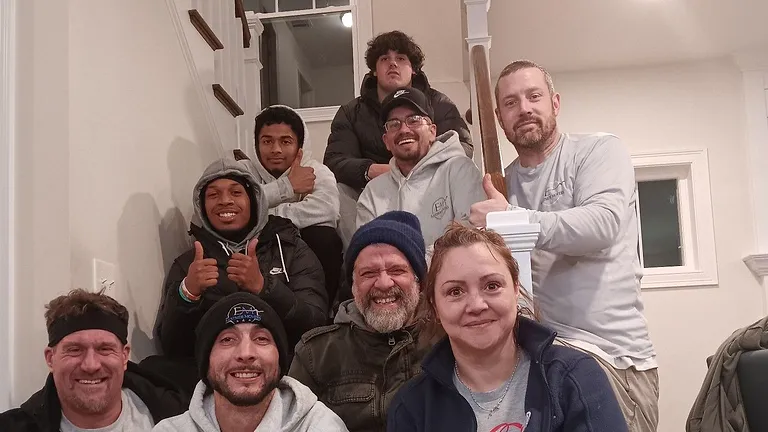
The Eastside Movers team gathered on an indoor staircase

Restaurant Moving FAQs

Another question? Call (774) 421-9389.

Should we empty the dining room before our final dinner service?

Keep what the last service needs and pack the rest early. Spare chairs, banquet tables, and back-up glassware can go in the days before, and the tables in use leave after the final cover. Tag anything that belongs to the landlord, such as fixed banquettes or light fixtures, before the room is cleared, so nothing leaves the building by mistake.

Can a walk-in room come with us to the new restaurant?

Sometimes, but not on our truck as one piece. Most walk-ins are insulated panel boxes with a separate refrigeration system, and whether the panels can be reused is a question for the refrigeration contractor and both landlords, since some leases treat the walk-in as a landlord fixture. Once it is empty, we move the shelving and dunnage racks from inside it.

Who handles bottles from the bar during a restaurant relocation?

The license holder. A Massachusetts liquor license is tied to the licensed premises, so the change of location goes through the local licensing authority and the ABCC, and the license holder decides how and when the stock travels. We keep bar shelving, stools, and empty glassware on a separate load, and no alcohol goes on our truck.

What should we check before reserving a truck at a North End restaurant?

Walk the whole path: curb, sidewalk, front or cellar door, stairs, and the turn into the kitchen, measured against the biggest piece. Ask the City of Boston about a street-occupancy permit for your curb and confirm the day with your landlord. Mornings compete with other restaurants' deliveries, so a load after close is often simpler.

Plan your business move

Tell us both addresses, the building rules you know about, and the dates you cannot move. We will send back a written plan and estimate.

Call (774) 421-9389

Mon–Sat 8:00 AM – 5:00 PM

Call Now call 774-421-9389