Education, Civic & Community

Trade School Moving in Boston and MetroWest

Classrooms, benches, tool cribs, trainer boards, and offices moved by our crew; lifts, welders, and heavy machines go to the school's equipment mover.

(774) 421-9389
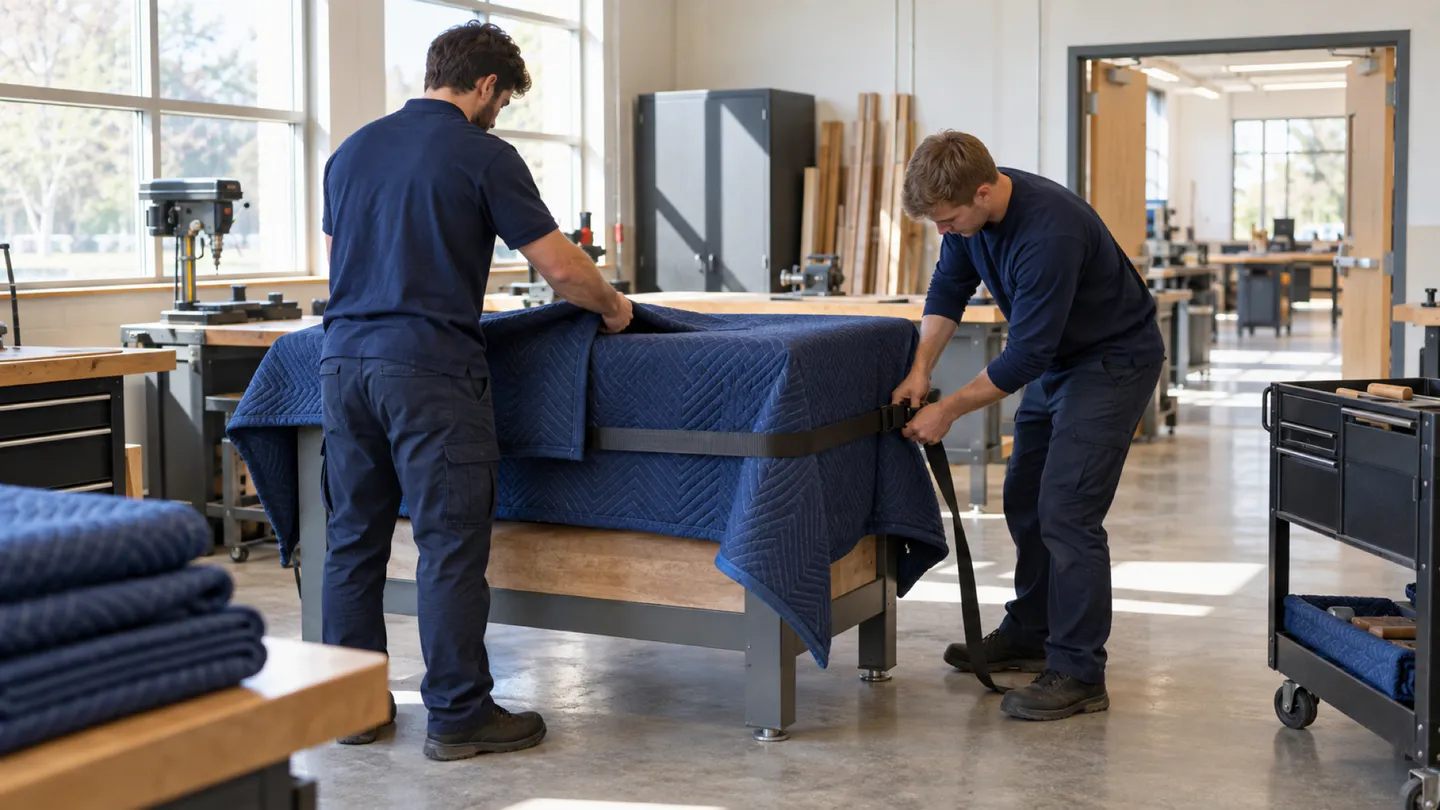
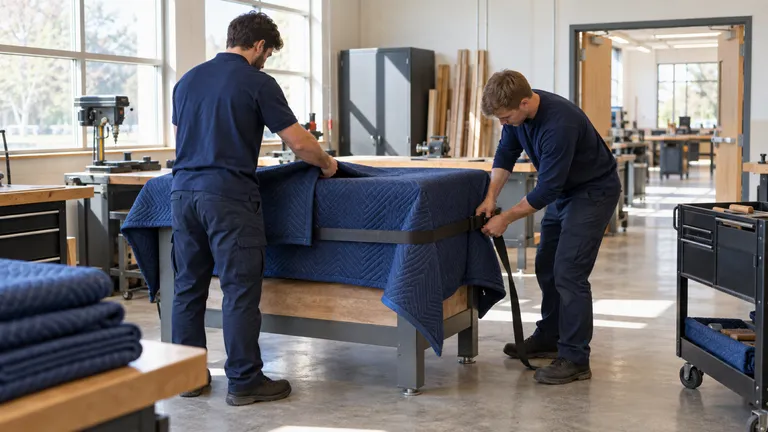
Trade School moving in Boston and MetroWest: moving crew at work
  • Licensed & Insured Fully Covered
  • Owner-Operated By Tyler Trefrey
  • 10 States Northeast Served

Start your free trade school move quote

verified For estimate purposes only credit_card_off No credit card required

Planning a Trade School Move

Every program in a trade school is its own move. An automotive shop has lifts, tire machines, and diagnostic carts. A welding shop has booths, welders, fume extraction, and gas cylinders. An HVAC program has training units charged with refrigerant. Carpentry has table saws and a dust collector ducted through the ceiling. Cosmetology has styling stations and shampoo bowls, and a culinary program has a commercial kitchen. The classrooms, offices, and library look like any school, but the shops do not.

So the split matters more than anywhere. Heavy machines, lifts, and anything bolted down go with the school's heavy-equipment mover. Welders, compressors, and anything wired or plumbed are disconnected by licensed trades, gas cylinders go back to the gas supplier, and refrigerant work stays with a licensed HVAC technician. Our crew moves what is left, which is a lot: workbenches and tool chests, tool cribs, trainer boards and mock-ups, classroom furniture, lockers that are not fixed, and offices. Instructors inventory their tool cribs, and we move them by program and bench. The education and civic moving hub covers the broader approach.

Who usually signs off
School director or facilities lead, with instructors approving station inventories and the equipment mover's schedule
Timing that works
Summer for vocational high schools, or the gap between cohorts for private trade schools that run all year, with the heavy-equipment mover and trades booked first.

What typically moves

  • Shop workbenches and rolling tool chests Emptied or locked as instructors direct, tagged by program and bench number, then placed where each instructor's layout puts it.
  • Tool cribs and instructor-inventoried hand tools Instructors count and box tools by crib; we move the boxes and cabinets together.
  • Electrical and plumbing trainer boards and mock-ups Freestanding trainers moved upright; anything wired to building power waits for an electrician.
  • Classroom tables, chairs, and instructor desks Marked with the room number and arranged the way each program's instructor wants.
  • Cosmetology stations and chairs that are not plumbed Styling stations and chairs moved; shampoo bowls wait for the plumber.
  • Program offices and admissions Moved and set early so enrollment can continue.

Access and scheduling

Book the heavy-equipment mover and the licensed trades before anything else. Lifts, heavy machines, and anything bolted or wired set the order, since shops cannot be refilled until the heavy-equipment mover has placed its equipment. Vocational high schools usually move in summer, and private trade schools move between cohorts, often with weekend work on request.

Trade schools around Greater Boston include regional vocational technical high schools in towns like Canton, Framingham, Marlborough, and Franklin, and private schools in flex buildings off the highways and in older mill buildings in Worcester. Shops usually have overhead doors, which makes loading easier, but classroom wings may have stairs. Public schools will want a certificate of insurance and a completed purchase order first, which the school's business office handles.
Protection and handling

Tool chests and workbenches are heavy and full of small parts, so drawers are locked or taped, and chests move on dollies with their casters locked. Shop floors are concrete, but corridors and classrooms are not, so those routes get runners. Trainer boards are moved upright and padded, since their mounted parts break off easily.

Nothing hazardous goes on our truck: no gas cylinders, fuel, chemicals, refrigerant, or waste oil. Those go with the gas supplier, a licensed hauler, or the trades. Student records stay with the registrar. Classroom computers and diagnostic laptops are moved and set on their benches; the school's IT staff connects them and handles software. Each shop is walked with its instructor at the end, so a missing drawer or bent caster gets written down before the truck leaves.

Who does what

Some of this job belongs to other trades. The written plan names each one.

Vehicle lifts, CNC and machine tools, and anything anchored
The school's rigger or equipment mover removes, moves, and sets them, with forklifts or rigging as needed.
Welders, compressors, dust collection, and wired or plumbed equipment
Licensed electricians and plumbers disconnect and reconnect them.
Gas cylinders and refrigerant-charged training units
The gas supplier collects cylinders, and a licensed HVAC technician handles refrigerant.
Fuel, chemicals, and waste oil
A licensed hauler removes them under the school's own procedures.

Not part of our work

  • Moving heavy machines, lifts, or anything bolted down.
  • Transporting gas cylinders, refrigerant, fuel, chemicals, or waste.

Around Boston and MetroWest

Greater Boston's trade programs range from regional vocational technical high schools in Canton, Framingham, Marlborough, and Franklin to private schools teaching automotive, HVAC, welding, cosmetology, and culinary skills in flex buildings near Route 128 and out along 495, and in converted mill buildings in Worcester and the Blackstone Valley.

The crew that shows up

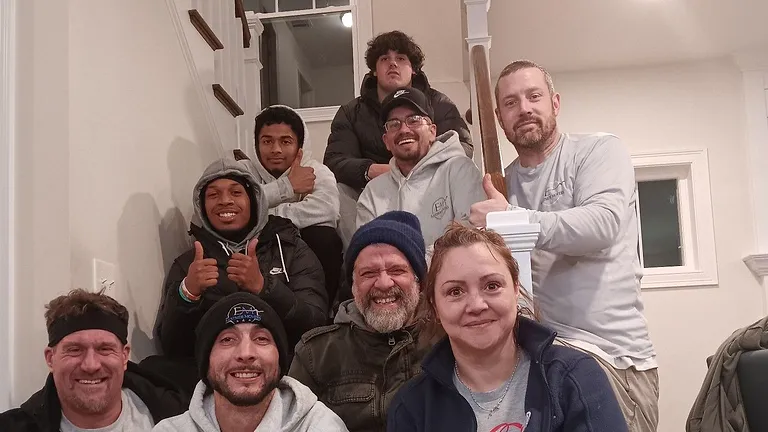
The Eastside Movers team gathered on an indoor staircase

Trade School Moving FAQs

Another question? Call (774) 421-9389.

Who moves the vehicle lifts and heavy shop machines?

The school's heavy-equipment mover. Lifts, heavy machines, and anything bolted down need specialized lifting equipment and trained operators, and many need an installer at the new shop. The crew takes care of benches, tool chests, trainers, and classrooms around that mover's schedule.

How do instructors keep tool cribs organized during a move?

Instructors count and box tools by crib before the move, using their own inventory lists. We move the boxes with the crib cabinets, tagged by program, and set them in the new tool crib so instructors can check them against their lists.

Can a private trade school move without interrupting a cohort?

Usually, by moving between cohorts. Classrooms and offices can move over a weekend, and shops follow once the heavy-equipment mover and trades are scheduled. If a cohort overlaps, programs can move one at a time so each shop is out of use for as short a time as possible.

What happens to gas cylinders and refrigerant in the shops?

They stay off our truck. Gas cylinders go back to the gas supplier or are moved by the supplier, and refrigerant in HVAC training units is handled by a licensed technician. Welders and wired equipment are disconnected by licensed electricians before we move anything nearby.

Plan your business move

Tell us both addresses, the building rules you know about, and the dates you cannot move. We will send back a written plan and estimate.

Call (774) 421-9389

Mon–Sat 8:00 AM – 5:00 PM

Call Now call 774-421-9389