Education, Civic & Community

Museum and Gallery Moving in Boston and MetroWest

Empty vitrines, plinths, exhibit furniture, the shop, and offices moved by our crew. Objects travel as your registrar decides, crated where they ask.

(774) 421-9389
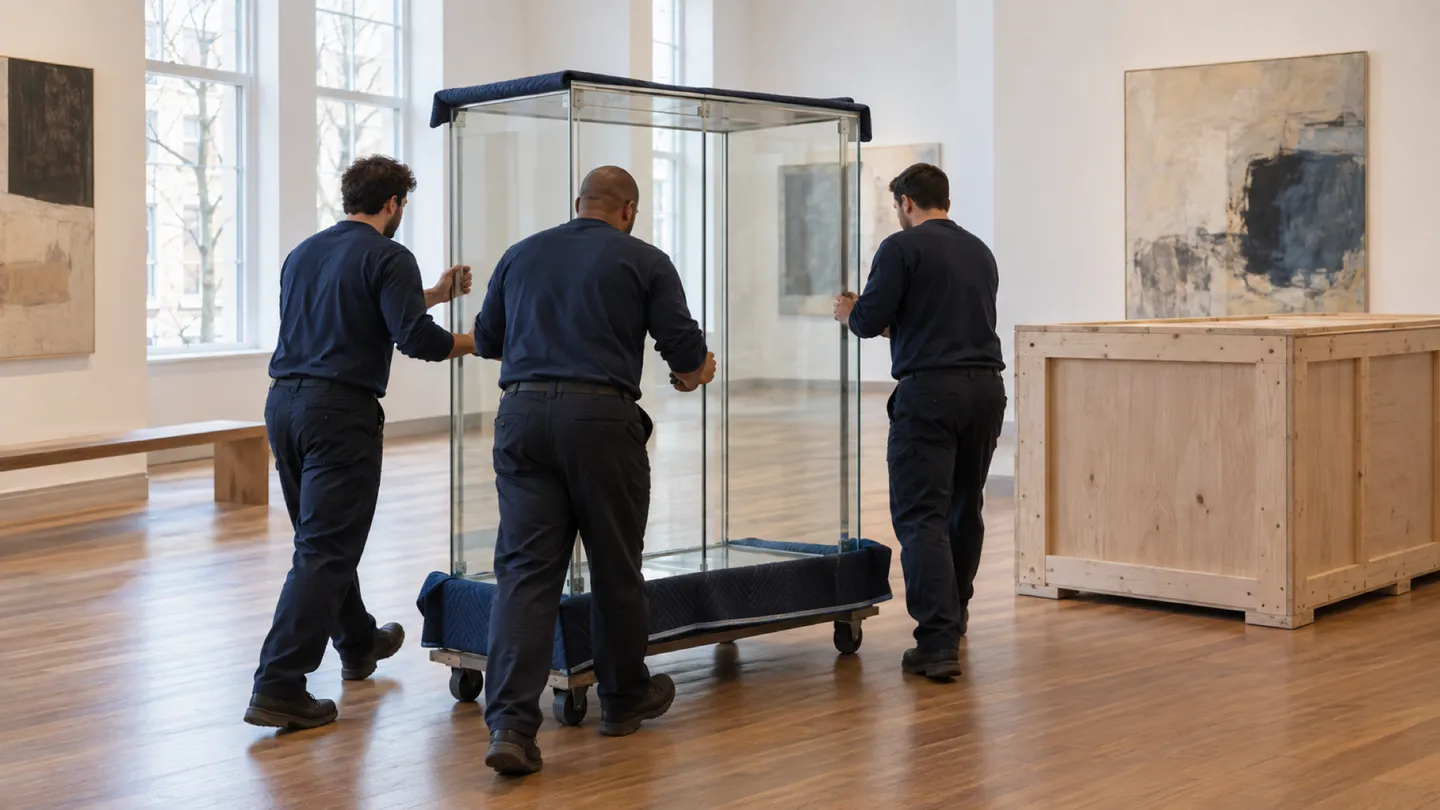
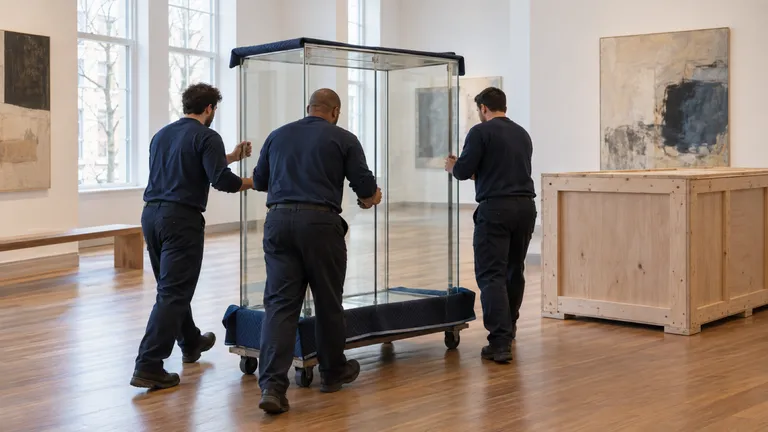
Museum & Gallery moving in Boston and MetroWest: moving crew at work
  • Licensed & Insured Fully Covered
  • Owner-Operated By Tyler Trefrey
  • 10 States Northeast Served

Start your free museum & gallery move quote

verified For estimate purposes only credit_card_off No credit card required

Planning a Museum & Gallery Move

In a museum or gallery, the registrar decides what happens to every object. The registrar keeps the records and condition reports, knows which pieces are on loan and what each loan agreement requires, and works with the curator on how each object travels. Objects of high value or fragility usually go with a fine-art shipper and its handlers, under the museum's own fine-art insurance. Loaned objects follow their lenders' rules. Our crew takes its cues from those decisions.

What we bring is the rest of the move, and a crew that follows the registrar's instructions exactly. We move empty vitrines and display cases, plinths and pedestals, exhibit furniture and freestanding walls, the museum shop's fixtures, the education room, the library, and the offices. Where the registrar or curator asks, we build custom crates for objects or cases through our custom crating service, to dimensions they approve, and carry objects they have released to us in the order they set. Anything not released stays exactly where it is. Galleries moving between spaces follow the same split, with the owner or gallery director in the registrar's role.

Who usually signs off
Museum director, gallery owner, or registrar who signs off on the object list and approves the curator's handling plan
Timing that works
Between exhibitions, after the last show closes and loaned objects have gone back to their lenders, with the registrar's object schedule setting the order.

What typically moves

  • Empty vitrines and glass display cases Glass removed or secured as the case maker allows, corners padded, and cases moved upright.
  • Plinths, pedestals, and exhibit furniture Wrapped and tagged to the new gallery layout, since many are built for one exhibition.
  • Freestanding exhibit walls and panels Taken apart where designed to and moved flat or on edge in padded carts.
  • Custom crates for objects the registrar releases Built through our crating service to dimensions the registrar or curator approves.
  • Museum shop fixtures and stock Stock boxed by shop staff; shelving and counters moved and set to the new shop plan.
  • Offices, library, and education room Moved as ordinary furniture and boxes once the registrar confirms no objects are stored there.

Access and scheduling

Start with the registrar's object schedule. Loaned objects usually go back to lenders before a move, high-value objects go with the fine-art shipper, and the rest follow the order the registrar sets. We fit around that, often between exhibitions, with evening and weekend work on request so a museum can stay open to visitors as long as possible.

Galleries in Boston cluster along Newbury Street, in the South End's SoWa area, and in Fort Point, often in older buildings with small freight elevators or none, and street loading. Museums around Greater Boston range from historic houses to modern buildings with loading docks. Institutions and gallery landlords typically keep a copy of the mover's insurance certificate on file, and we email ours on request.
Protection and handling

Glass cases are the fragile part of the furniture. Glass panels are removed and crated or secured as the case maker allows, corners get guards, and cases travel upright and strapped. Plinths and exhibit walls are wrapped, since paint and fabric finishes scuff easily.

Objects are the registrar's and curator's to direct, and an unreleased piece stays untouched even if it sits in the crew's path. When they do release pieces to us, we follow their instructions for packing, carrying, and orientation, and can crate to their approved dimensions. Condition reports, object records, and insurance for the collection stay with the museum. Office and shop computers are moved as ordinary office equipment. Gallery floors, often finished wood or polished concrete, get runners along every route before the first case rolls.

Who does what

Some of this job belongs to other trades. The written plan names each one.

High-value, fragile, or loaned objects
A fine-art shipper and its handlers move them under the registrar's plan and the museum's own insurance.
Condition reports, object records, and loan requirements
The registrar and curator manage them before, during, and after the move.
Exhibit lighting, AV, and wall-mounted installations
The museum's own preparators or its AV contractor de-install and re-install them.

Not part of our work

  • Touching objects the registrar has not handed over.
  • Condition reporting or insuring the collection.

Around Boston and MetroWest

Boston's galleries cluster along Newbury Street in Back Bay, in the SoWa area of the South End, and among the artist studios of Fort Point. Museums across Greater Boston range from major institutions to historic houses and college galleries in Cambridge, Wellesley, and Worcester, each with its own loading and access rules.

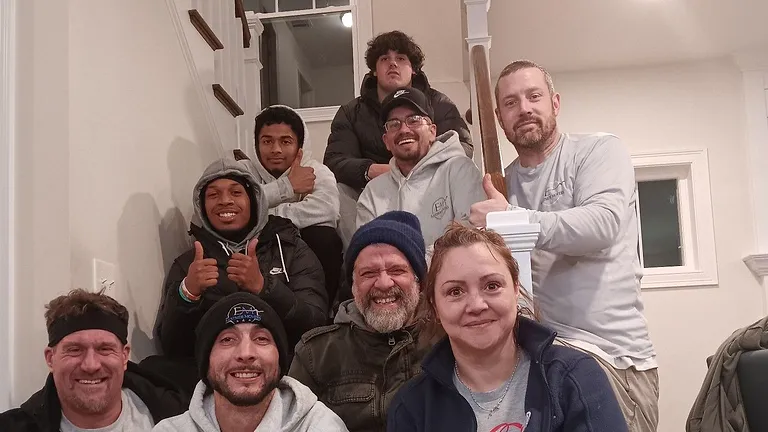
The crew that shows up

The Eastside Movers team gathered on an indoor staircase

Museum & Gallery Moving FAQs

Another question? Call (774) 421-9389.

Will your crew handle artwork as well as cases and furniture?

Mostly furniture, cases, fixtures, and offices. We move objects when the registrar releases them to us and gives us instructions, and we can build crates to approved dimensions. High-value, fragile, and loaned objects usually go with a fine-art shipper, which the registrar arranges.

How are glass display cases moved without breaking?

Empty, with glass panels removed and crated or secured as the case maker allows. Corners get guards, and cases travel upright and strapped. If the case maker says a technician should take the glass out, we wait for them, and any lock keys stay with the registrar.

Can you build custom crates for objects our registrar approves?

Yes. Through our crating service, we build crates to the dimensions and specifications the registrar or curator approves, and pack objects they release to us following their instructions. The registrar keeps the condition reports and decides which objects travel in our crates.

How should a gallery plan a move between spaces?

Start with the art. The owner or director decides which pieces go with a fine-art shipper and which our crew can move under instructions. Then we move walls, plinths, the desk, storage racks, and the office. Most galleries move between shows so no exhibition is disrupted.

Plan your business move

Tell us both addresses, the building rules you know about, and the dates you cannot move. We will send back a written plan and estimate.

Call (774) 421-9389

Mon–Sat 8:00 AM – 5:00 PM

Call Now call 774-421-9389