Warehouse & Light Industrial

Contractor Trade Shop Moving in Boston and MetroWest

Tool cribs, work benches, and loose material stock moved by bay and trade, while your team keeps job kits and fleet vehicles under its control.

(774) 421-9389
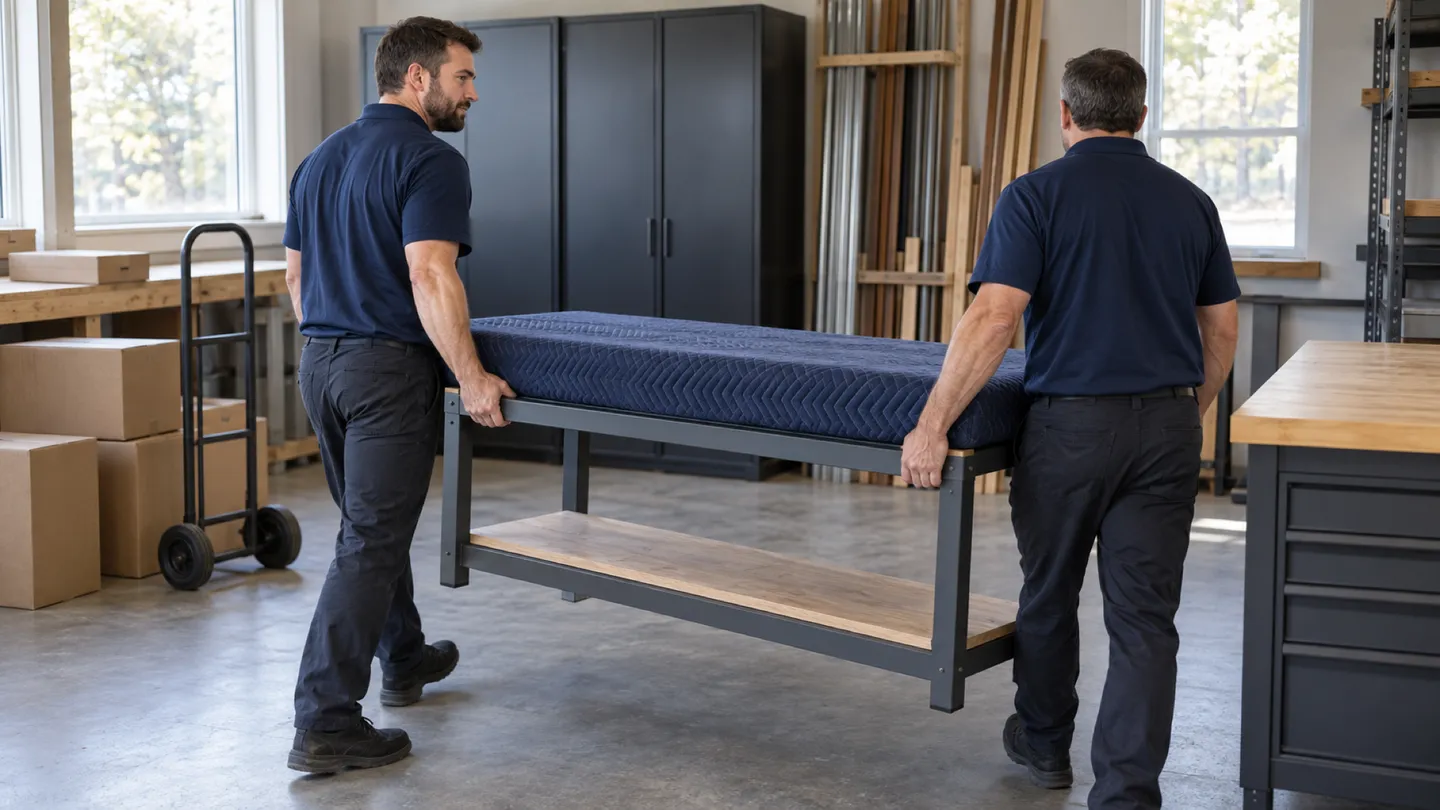
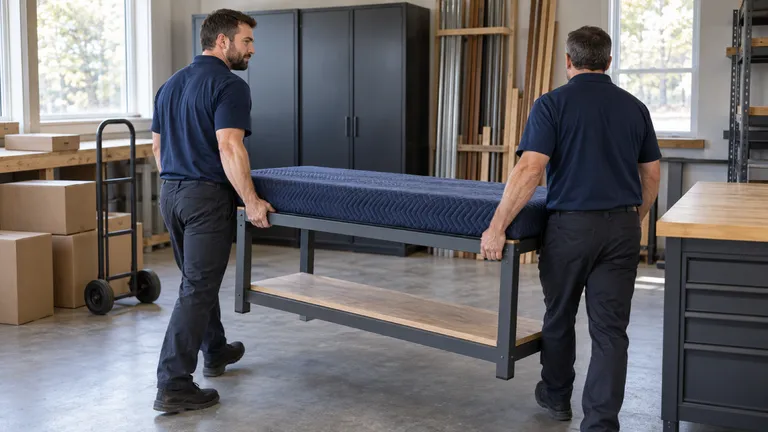
Contractor Trade Shop moving in Boston and MetroWest: moving crew at work
  • Licensed & Insured Fully Covered
  • Owner-Operated By Tyler Trefrey
  • 10 States Northeast Served

Start your free contractor trade shop move quote

verified For estimate purposes only credit_card_off No credit card required

Planning a Contractor Trade Shop Move

A contractor's shop is where crews start the day. Electricians, plumbers, carpenters, and HVAC crews pull material from the racks, sign tools out of the crib, load the vans, and leave. If the shop move scrambles the crib or buries the conduit under the drywall screws, the next morning's dispatch is late on every job. So the move is planned backward from the first dispatch at the new shop.

Our crew handles the building's contents: crib cabinets and shelving, tool cases, benches, parts drawers, loose stock, and the shop office. Your foreperson decides which job kits and material stay with the crews during the changeover and reconciles the tool sign-out before and after. Fleet vans, trailers, and job-site gang boxes on trucks move with your drivers. Compressed gas cylinders, fuel, paint, and solvents stay off our truck; your gas supplier swaps or moves cylinders, and your team handles the rest. Compressors with hard piping and anything wired in go to the trade that installed them.

Who usually signs off
Contractor owner or shop manager, with the foreperson deciding which tools and job kits crews need during the changeover
Timing that works
Between the evening crews bring vans back and the next morning's dispatch from the new shop, often over a weekend on request, with active job material kept out of the load.

What typically moves

  • Tool crib cabinets and drawer units Drawers secured or emptied; units tagged by crib bay.
  • Tool cases and trade totes Released cases travel apart from kits assigned to open jobs.
  • Work and assembly benches Vises and attachments bagged with their bench.
  • Freestanding material racks Travel empty to the bay your shop lead assigns.
  • Conduit, pipe, trim, and other long stock Sorted by staff by material and length; bundled by bay.
  • Fitting drawers and fastener bins Kept closed and grouped by trade.

Access and scheduling

Pick the night or weekend when the crews are in and the vans are parked, and ask the foreperson to set aside the next day's kits first. We move released benches, racks, and cribs early, then the loose stock, and finish with the issue counter and shop office so crews can sign tools out on the first morning. Weekend work can be arranged on request.

Trade shops here are usually in flex bays or small industrial buildings with an overhead door, a shared lot, and vans parked across it. The property manager sets the loading position and hours. Long stock needs a straight route, so check the turn from the bay door to the racks. Landlords in these parks often ask for our certificate of insurance; forward the wording and we will return one.
Protection and handling

Crib parts look identical once they leave their drawers, so drawers are taped shut or boxed by bay, and each cabinet carries its bay number. Your staff pull personal tools and reconcile anything signed out before we start. Cabinet corners get pads, benches keep their attachments with them, and heavy tool chests ride low on the truck.

Long stock is bundled by material and length, with both ends marked so the receiving crew can send it to its rack without unbundling. Racks travel empty, with their arms and hardware bagged per unit. Anything bolted down waits for your installer. At the new shop, cribs and benches go to their places on the layout, and your foreperson checks the crib before issuing tools.

Who does what

Some of this job belongs to other trades. The written plan names each one.

Compressors with hard piping, welders, and wired equipment
A licensed electrician, plumber, or the equipment vendor disconnects and reconnects them.
Gas cylinders, fuel, paint, and solvents
Your gas supplier swaps or relocates cylinders; your team moves flammables under its own procedures.
Fleet vans, trailers, and job-site boxes on trucks
Your drivers or fleet provider move them on their own schedule.

Not part of our work

  • Carrying compressed gas cylinders, fuel, or flammable liquids.
  • Driving or staging fleet vehicles and trailers.
  • Checking tools in or out or certifying the crib inventory.

Around Boston and MetroWest

Trade shops in this market sit in flex parks and small industrial streets from Somerville, Canton, and Norwood out to the I-495 parks in Franklin, Milford, Marlborough, and Mansfield. A single overhead door and a lot crowded with neighbors' vans are typical, and they decide where the truck parks and when.

The crew that shows up

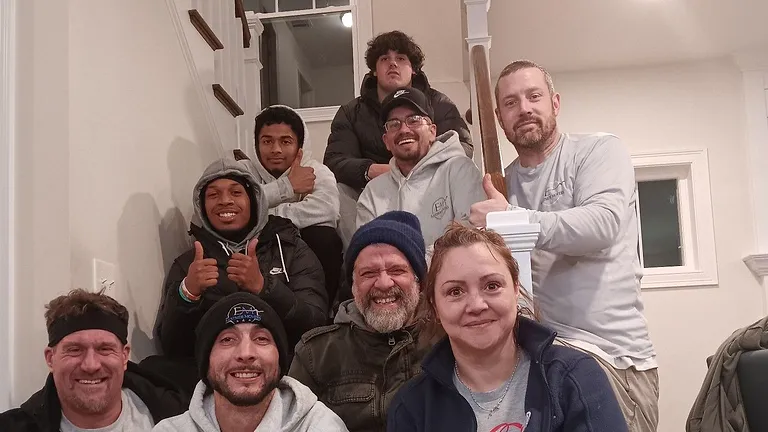
The Eastside Movers team gathered on an indoor staircase

Contractor Trade Shop Moving FAQs

Another question? Call (774) 421-9389.

How do we keep tomorrow's job kits out of the shop load?

The foreperson pulls the kits for open jobs first and keeps them with the crews or in their vans. Your staff mark which crib sections are released. We load those sections and nothing else, and at the new shop the foreperson checks the sign-out list before anything is issued again.

Can our bench vises and small attachments stay with their stations?

Yes. Your shop lead shows us what belongs to each bench, and we bag the attachments and hardware with that bench. A vise or bench bolted to the floor needs your installer to release it first. At the new shop, the parts arrive with their bench for your team to set.

What should we do with mixed lengths of pipe and conduit?

Sort them by material and length, and pull out pieces already assigned to jobs. We bundle the rest and mark both ends with the rack they go to. Tell us the tightest turn on the route, since long stock may need its own carry path.

Can your truck carry our acetylene and oxygen cylinders?

No. Compressed gas cylinders, fuel, and flammable liquids have their own shipping rules and do not go on our truck. Most shops have their gas supplier pick up cylinders at the old shop and deliver fresh ones to the new one. Your team handles paint and solvents.

Plan your business move

Tell us both addresses, the building rules you know about, and the dates you cannot move. We will send back a written plan and estimate.

Call (774) 421-9389

Mon–Sat 8:00 AM – 5:00 PM

Call Now call 774-421-9389